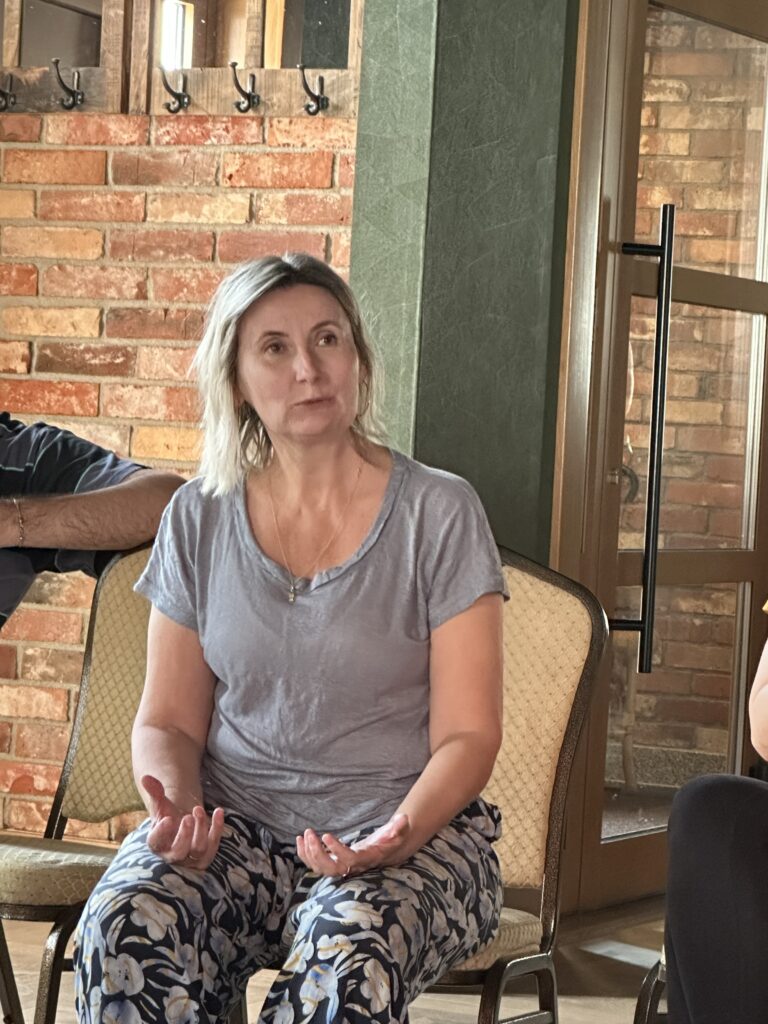
The H.O.P.E. – Helping Out Perceiving Exclusions project has come to an end after 10 intense days (July 7–17, 2024) filled with commitment, challenges, and discoveries. Thanks to this unique initiative in Tykocin, youth workers from diverse backgrounds had the opportunity to enhance their skills and gain a fresh perspective on working with young people facing disadvantages and lower competencies.
The H.O.P.E. project was designed to support young individuals who struggle with exclusion and lack of development opportunities due to limited access to resources and psychological support. The absence of effective youth work methodologies and difficulties in adapting approaches by educators and youth workers were key issues that this project aimed to overcome, with long-term positive changes as its goal.
Four Key Stages of the Project
- Exploration (E1): The project began with an in-depth study of theories and issues affecting disadvantaged youth. Participants examined definitions, psychological foundations, and communication challenges as the first step toward understanding how to provide effective support.
- Simulations and Experiences (E2): Participants engaged in various simulations, allowing them to “step into the shoes” of young people experiencing exclusion. This immersive experience helped them better understand the barriers and limitations that hinder the development of disadvantaged youth.
- Drawing Conclusions (E3): In the third stage, participants developed recommendations and innovative youth work methodologies to significantly improve the effectiveness of their efforts.
- Dissemination of Results (E4): The final phase focused on creating a series of online lessons, video materials, and practical resources, making knowledge and best practices widely accessible through digital platforms.
Long-Term Impact and Educational Materials
The project’s outcome includes a set of ready-to-use educational materials that will empower youth workers to engage more effectively with disadvantaged youth. Additionally, H.O.P.E. has produced a valuable collection of guidelines on motivation techniques, active listening, and tailoring communication to the specific needs of young people.
However, H.O.P.E. does not end with the workshops in Tykocin. The project’s impact will be long-lasting, with online lessons and educational videos ensuring the continuation of its mission. We extend our gratitude to all participants for their dedication and contribution to shaping a better future for young people, as well as to the organizers who made this valuable initiative possible.
The H.O.P.E. project demonstrates that the future of youth is in our hands and that everyone can play a part in driving changes that support young people, regardless of their background or social status.
The project is co-financed by the European Union under the Erasmus+ program.