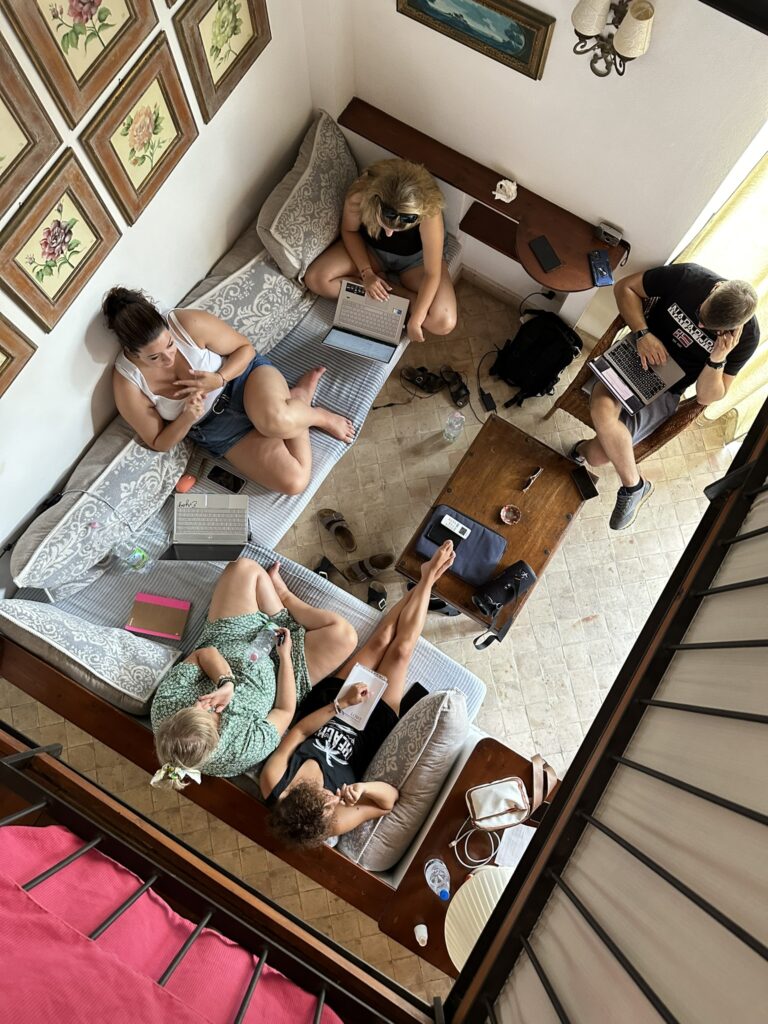
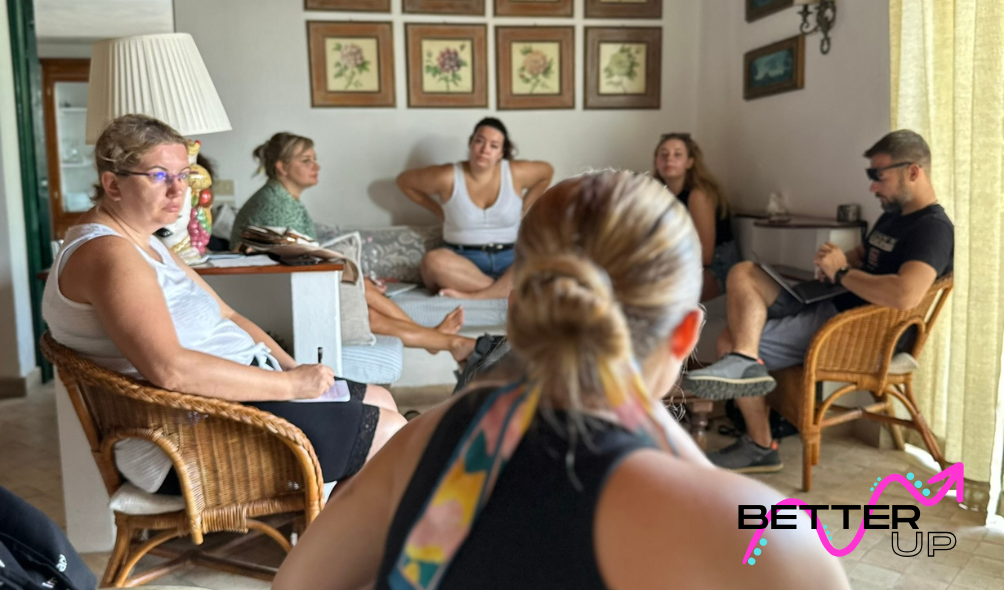
From August 19 to 30, we successfully concluded the Better Up project, which brought numerous benefits to both our organization, Youth Human Impact, and our Italian partner. It was a period of intensive skill development, experience exchange, and the implementation of modern management methods that now form the foundation of our future activities.
The goal of the Better Up project was to enhance participants’ competencies and improve process management in both organizations. Through workshops led by experts from Poland and Italy, our team members explored modern methods of team organization, project management, and effective brainstorming techniques, as well as constructive discussion strategies. These skills, now integrated into our daily work, will enable us to implement social projects more efficiently and with higher quality.
Study visits allowed us to experience the organizational culture of our Italian partner and observe effective operational management practices. Many of the solutions we encountered have the potential to be adapted within our organization, increasing our efficiency and positively impacting teamwork. Additionally, the integration sessions within the Better Up project facilitated the creation of valuable connections between participants from both countries, fostering long-term collaboration and mutual support in future initiatives.
As a result of this project, we have significantly improved the quality of our work, better prepared our organization for implementing innovative projects, and strengthened our integration with our international partner. The participants of Better Up returned to their daily responsibilities equipped with new skills and inspirations, which are already translating into improvements in our activities.
Better Up is proof that international cooperation is incredibly valuable, as it enriches our organization with new perspectives, innovative tools, and relationships that empower our teams. We are grateful for the support and engagement of our partners and look forward to continued collaboration that will serve as a source of further inspiration and success.
The project is co-financed by the European Union under the Erasmus+ program.